

Electricity sharing: using your own generation across multiple sites
Solar PV can serve more than the building where it is installed.
Read moreA suitable roof and enough sunlight are only part of planning a solar project. It is equally important to check the terms on which the plant can connect to the distribution network. Grid connection is a design consideration from the outset: it can affect plant capacity and how the electricity can be used.
Before preparing an application, decide what the installation is for. Will it mainly meet demand on site, or will you sell a significant share of its output? Are you planning a battery or a future expansion of the site?
For commercial solar, compare expected output with the demand profile. A large roof does not, on its own, justify installing the maximum possible capacity. The financial benefit also depends on when the business can use the electricity.
A business generating electricity to meet demand at its own metered site may qualify for Slovakia’s local generation arrangements. Surplus power may also be exported if the conditions are met. A plant designed mainly for commercial generation may fall under a different arrangement.
The project’s characteristics determine its classification and the contractual, technical and administrative requirements that follow.
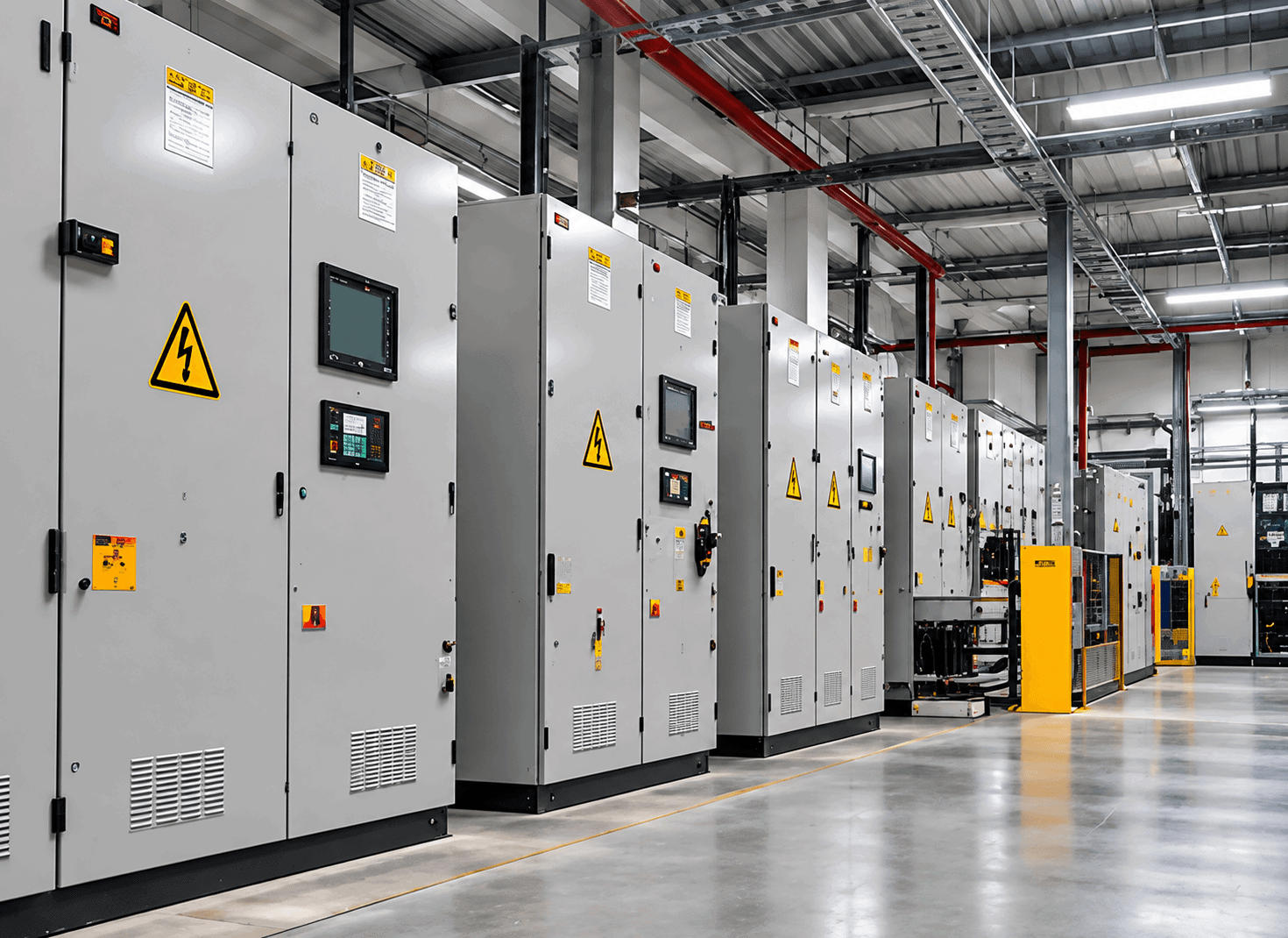
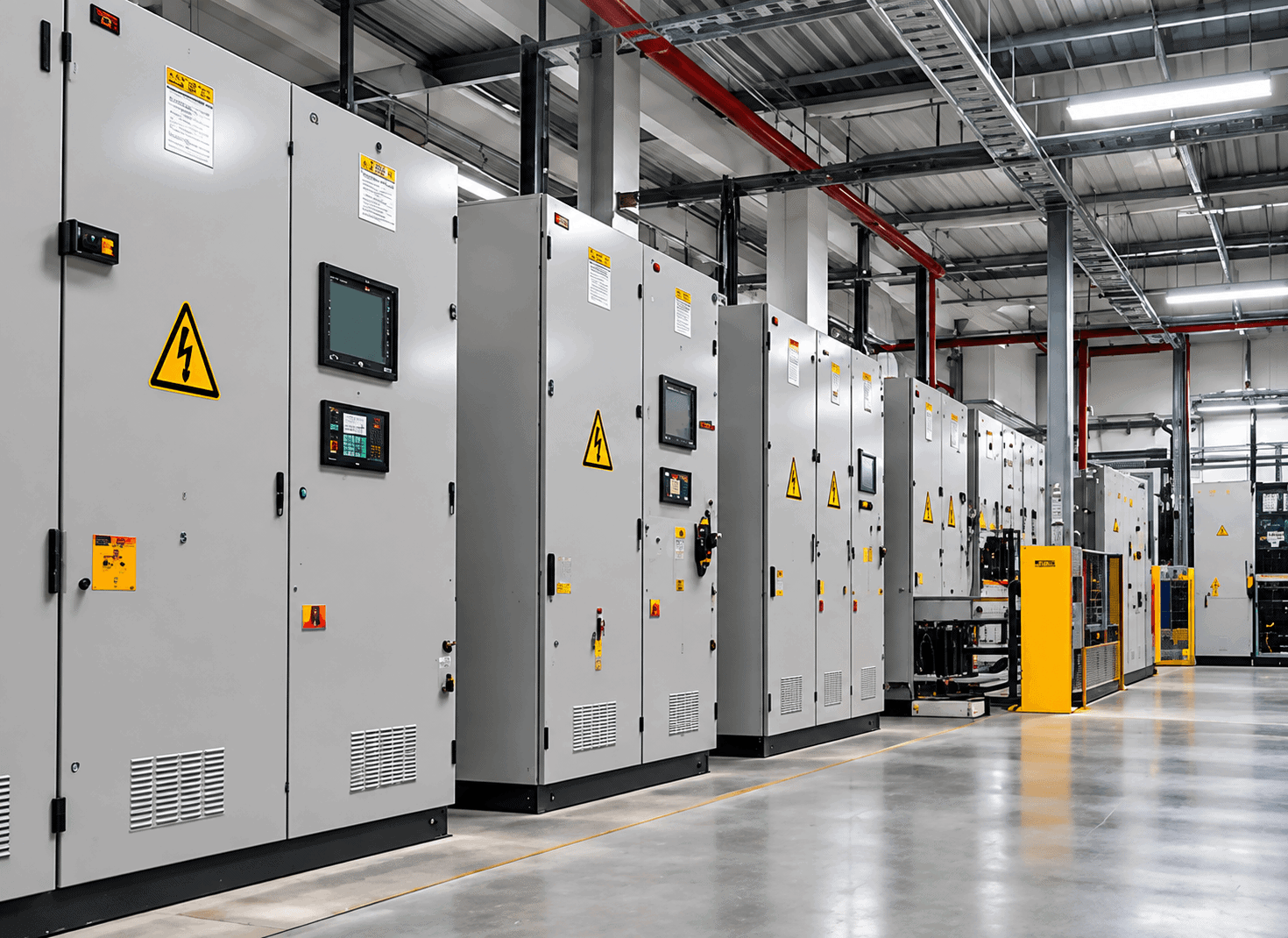
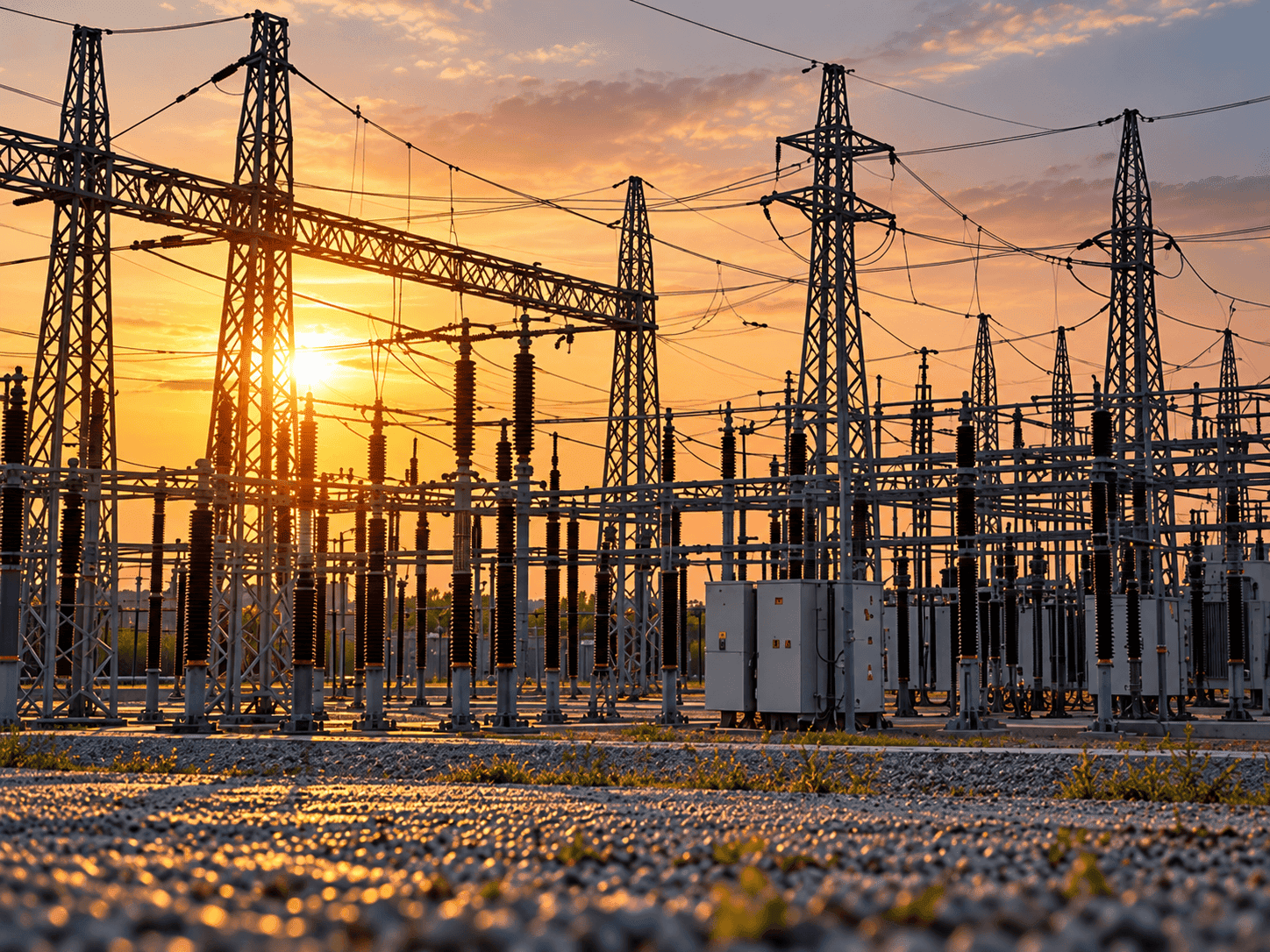
The distribution network operator assesses the connection available at the proposed location. Its terms specify the connection arrangements, the technical design required and the agreed capacity.
One important figure is the maximum reserved export capacity, which limits the power the plant may feed into the grid. This may differ from the requested plant capacity. If connection capacity is limited, the design may need to change.
The project documentation, protection settings and plant controls must meet the connection terms. Establish those requirements before installation begins.
Some projects are designed to operate without exporting power to the distribution network. Controls limit generation or use storage to keep the installation within the agreed terms.
A zero-export system can still fall within the network operator’s remit. For example, SSD’s procedure for local generators with no export still requires a connection agreement. Check the applicable procedure with the relevant operator.
After installation, you must demonstrate compliance with the technical terms, submit the required documents and inspection reports, and carry out the relevant tests. The scope depends on the type and rating of the generator. The process may include metering changes or verification of the control system.
Exporting electricity also requires commercial arrangements, including responsibility for imbalances. Fitting the panels is only one step towards meeting all the operating requirements.
At BK, solar delivery includes technical and financial assessment, design documentation, permits, installation, functional testing and management of the connection process. We follow commissioning with monitoring and servicing. The client can handle design and grid connection as one project.
Planning solar PV for your business? Get in touch before ordering equipment. We’ll assess the options for your project, including the terms of connection.

Solar PV can serve more than the building where it is installed.
Read moreFarming and solar power can share the same land.
Read moreSolar panels generate electricity during the day, when company cars, employees’ vehicles and visitors’ cars may be parked on site.
Read more
